We work to promote dignity, democracy, and prosperity, and to ensure that the financial system at large contributes to their sustainable realisation.
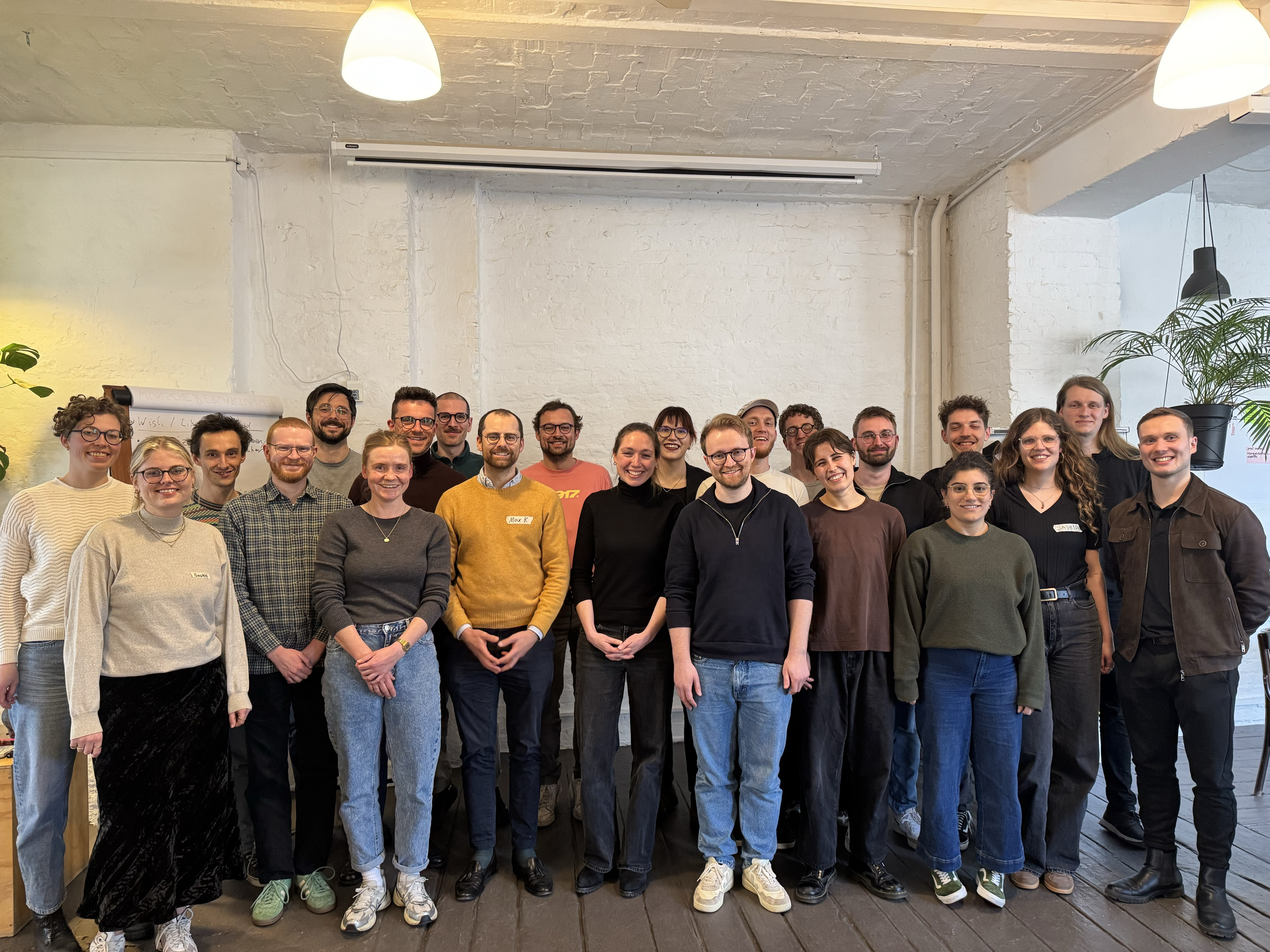
Who we are
Dezernat Zukunft is a non-partisan think tank that explains and develops ideas for monetary, fiscal, and industrial policy.
Our explanations and proposals are aimed at policy-makers, academics, the press, and the younger generation. With them, we seek to contribute to public debate and support the process of political opinion formation.
Our work is frequently technical and quantitative, but we are guided by qualitative values: dignity, democracy, prosperity, and sustainability are non-negotiable for us.
Core principles
Human flourishing, rather than the maximisation of profits, capital or growth, constitutes the centre and guiding principle of a good society.
All human and economic activity must take place within the planetary boundaries.
Technocratic institutions and markets are not ends in themselves, but social technologies to be used in pursuit of democratically chosen ends. Democracy is the highest organising principle of a good society.
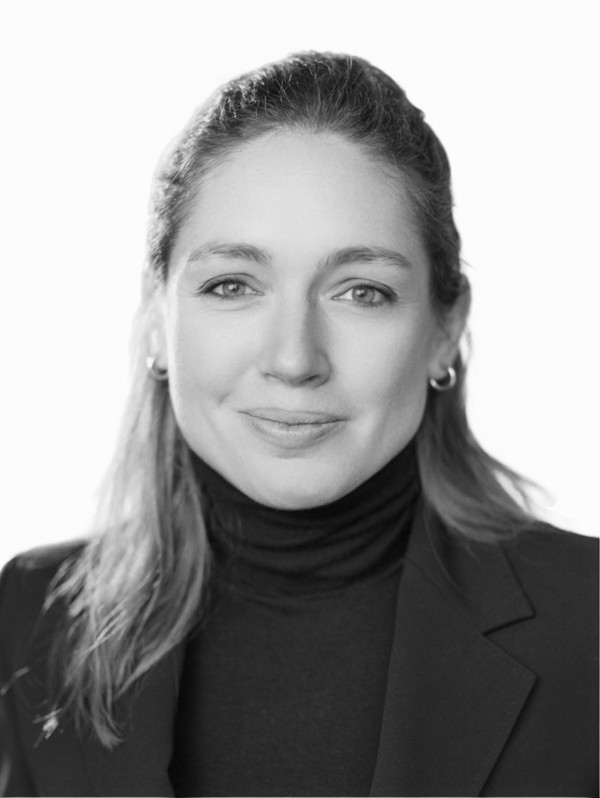
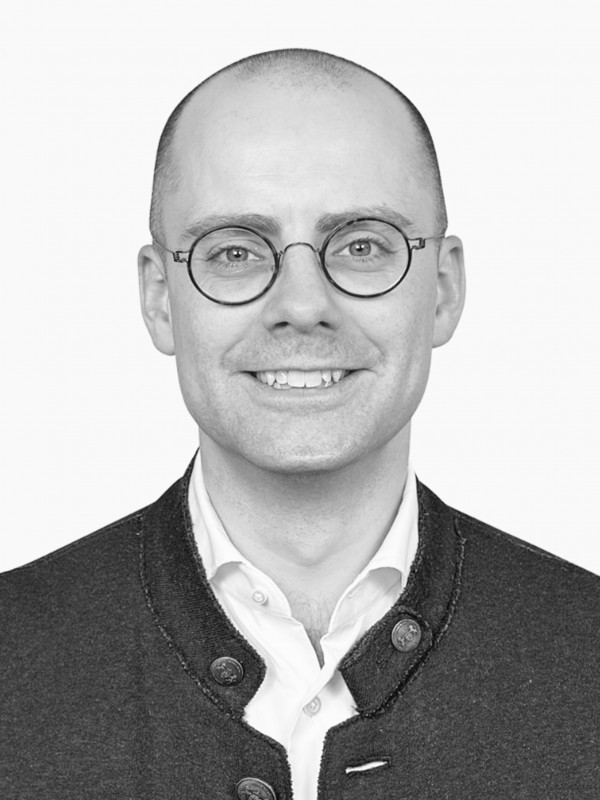
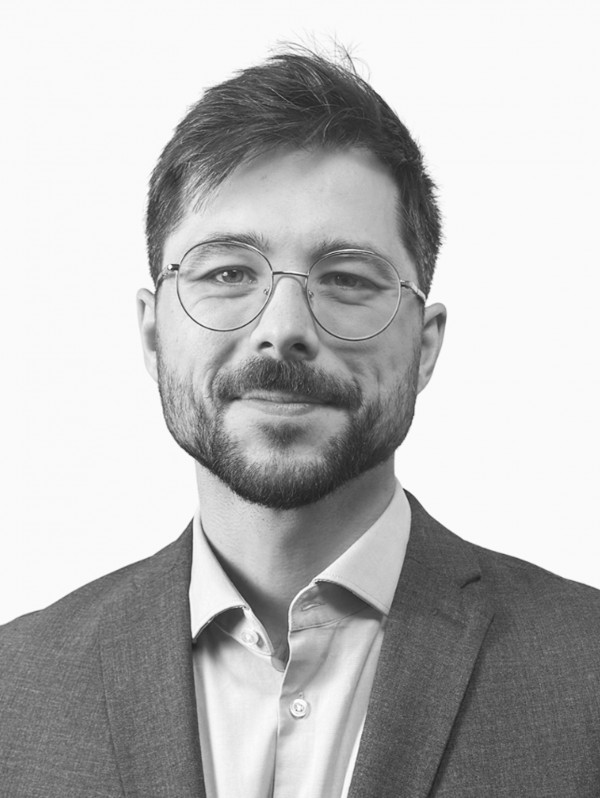
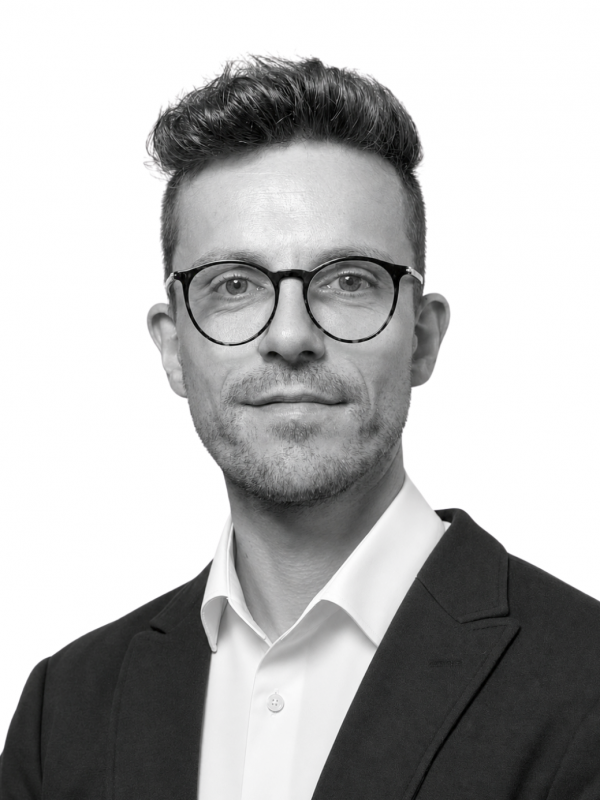
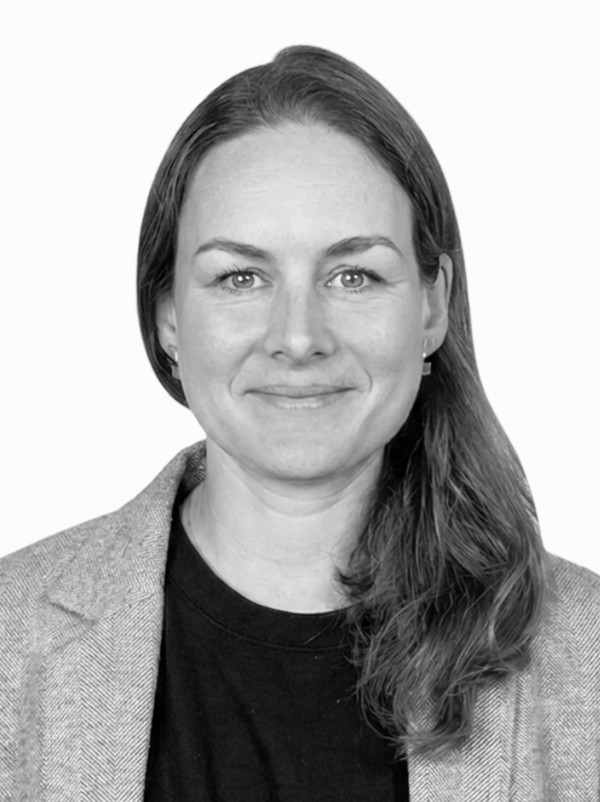
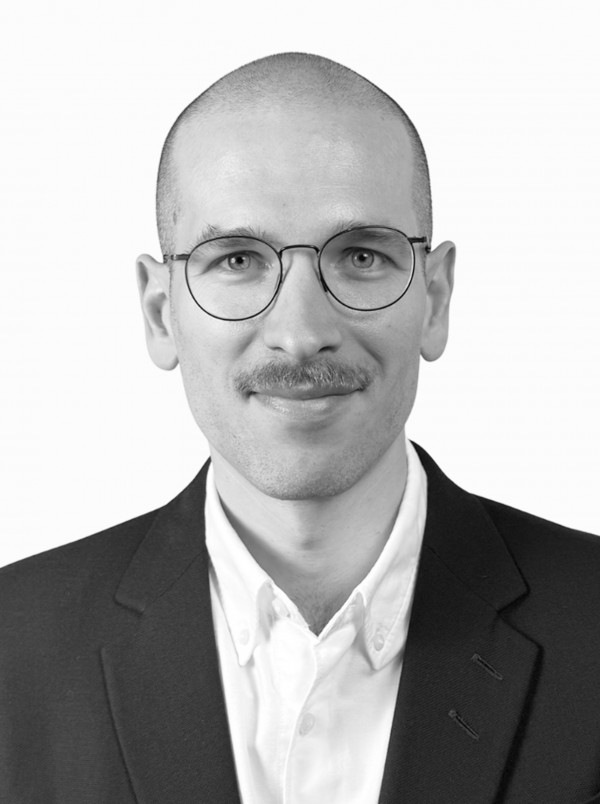
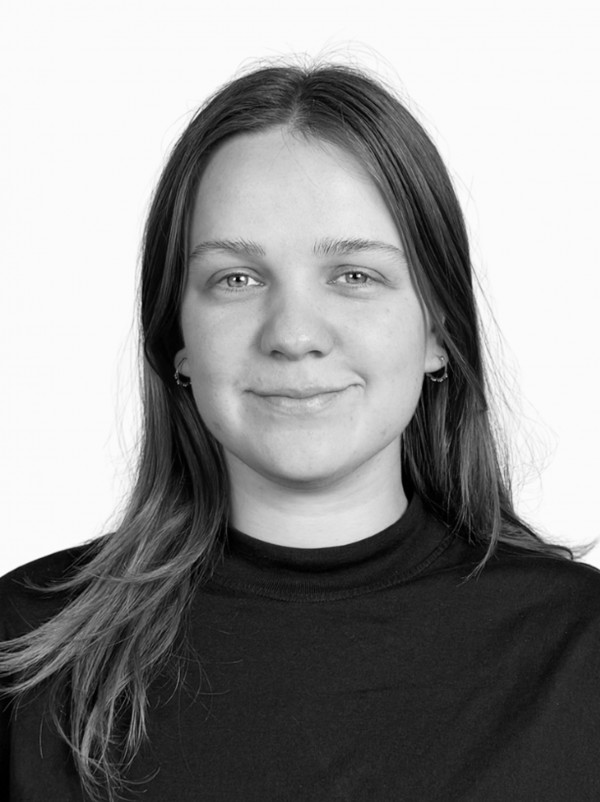
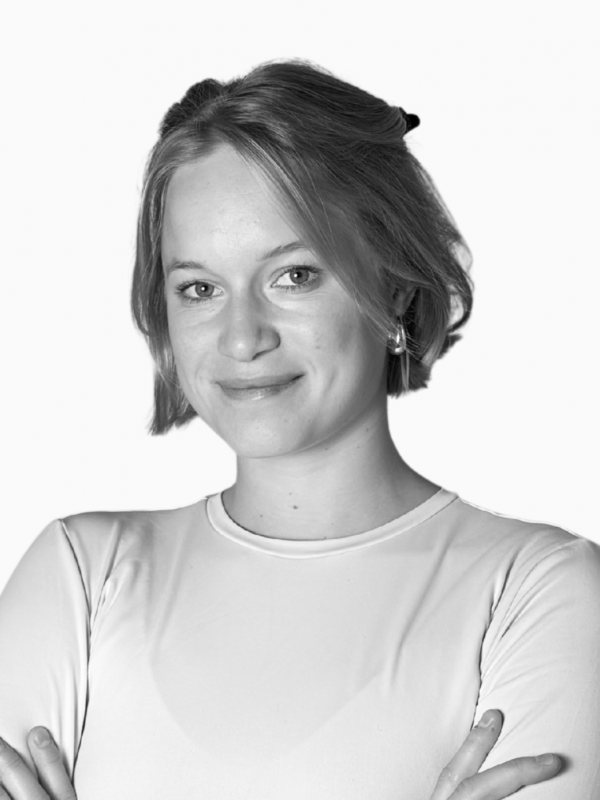
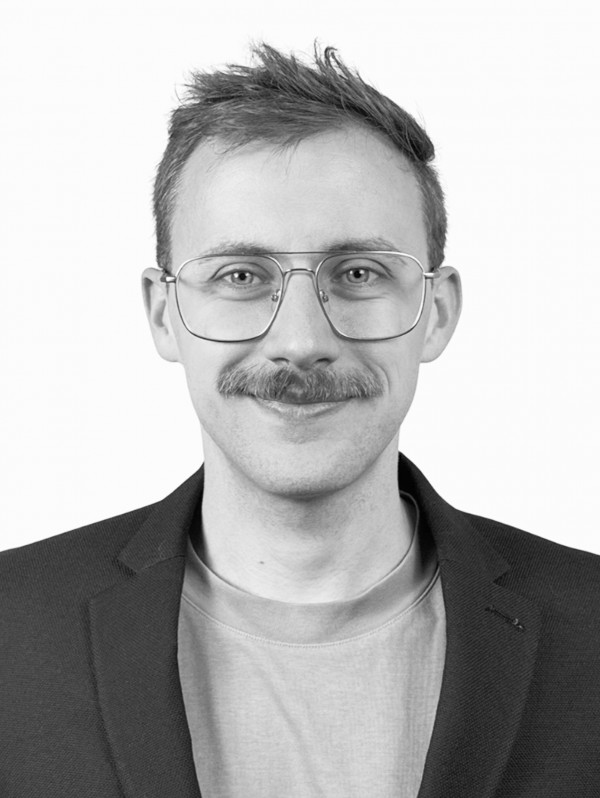
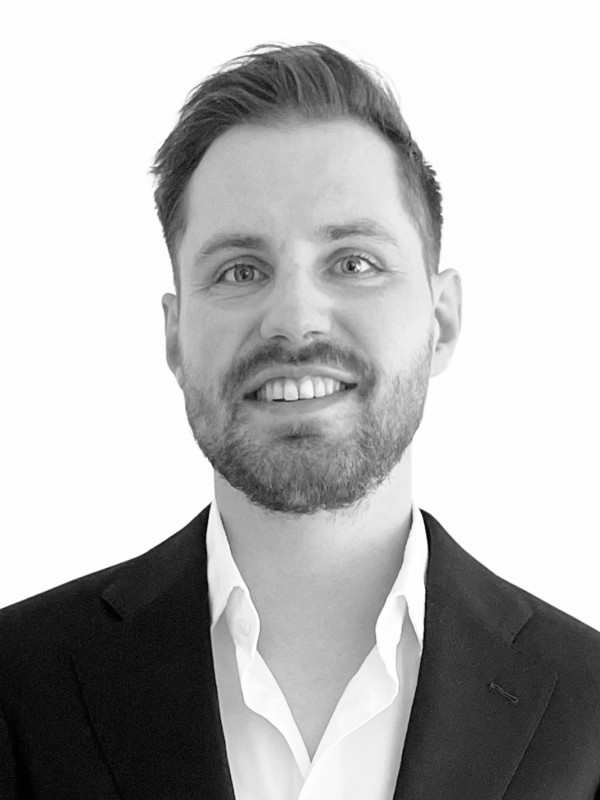
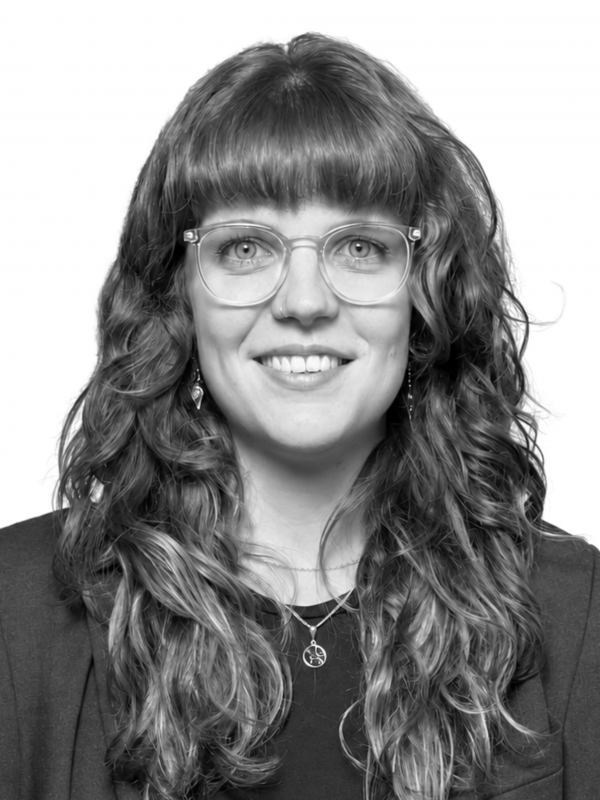
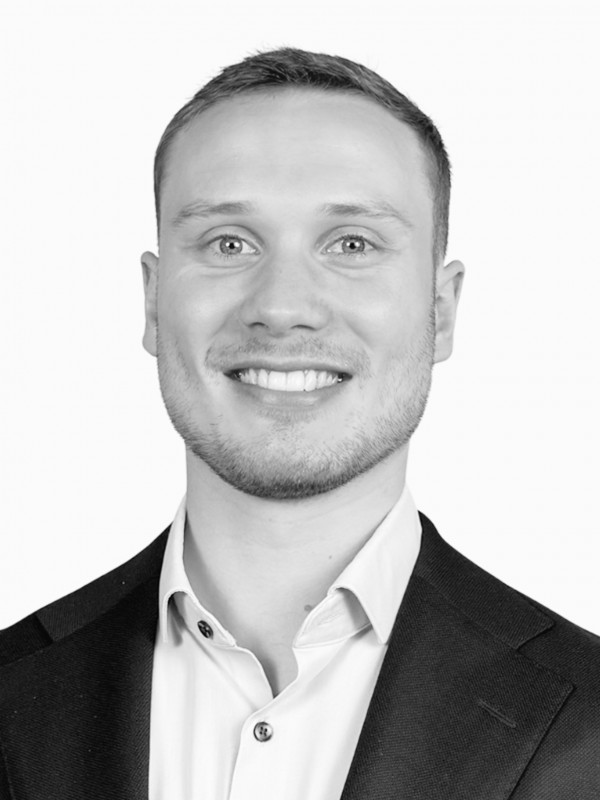
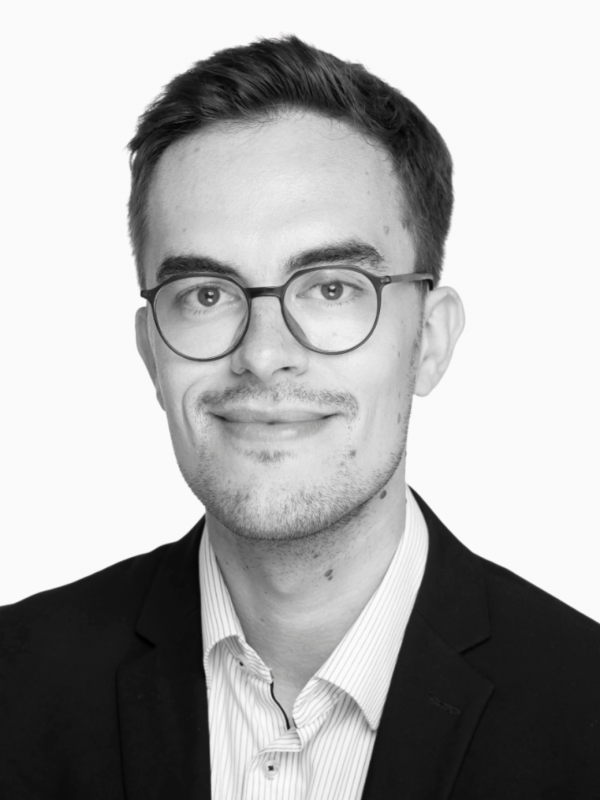
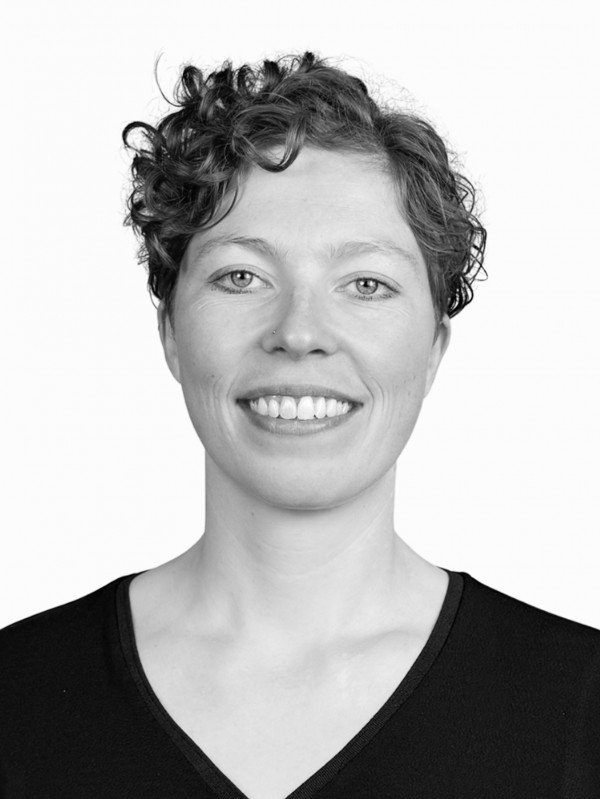
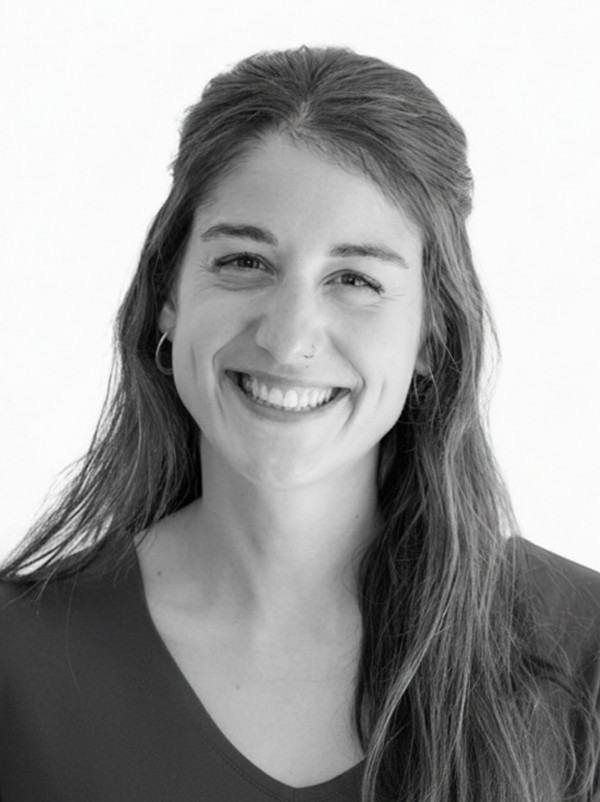
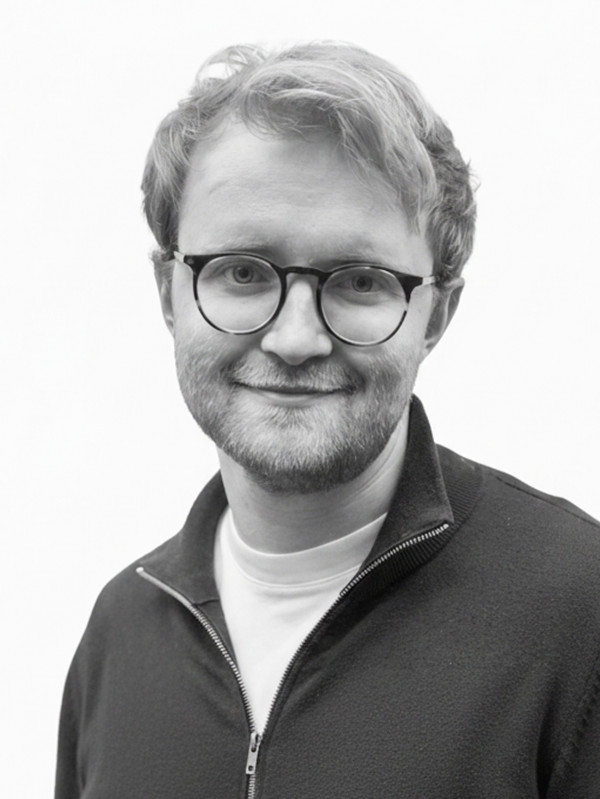
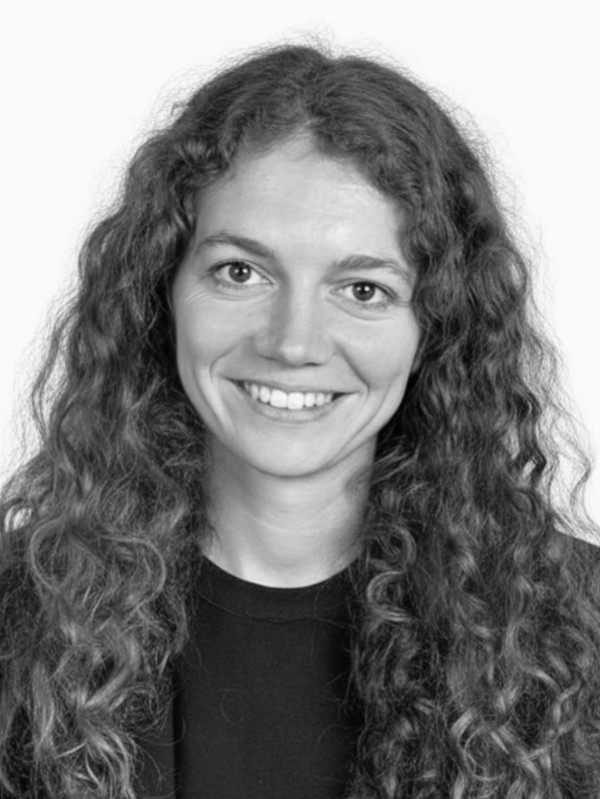
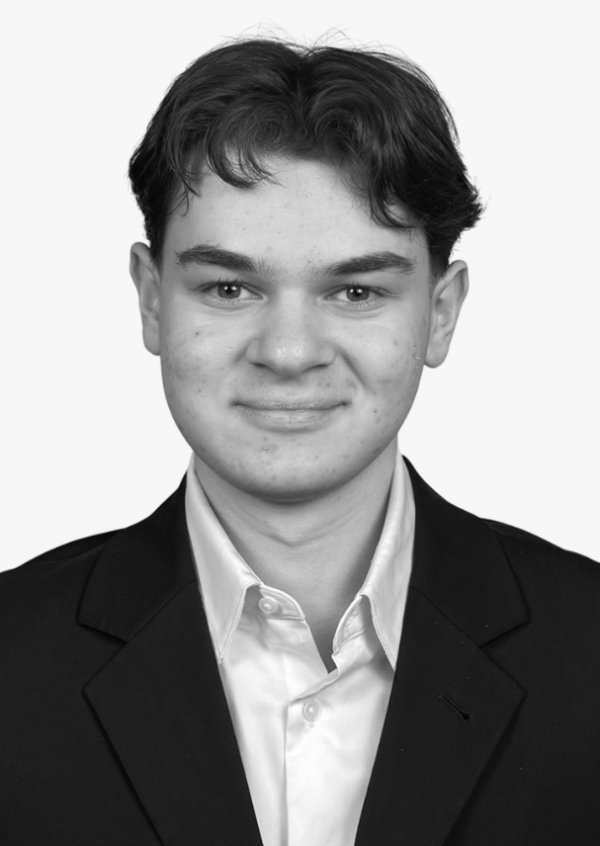
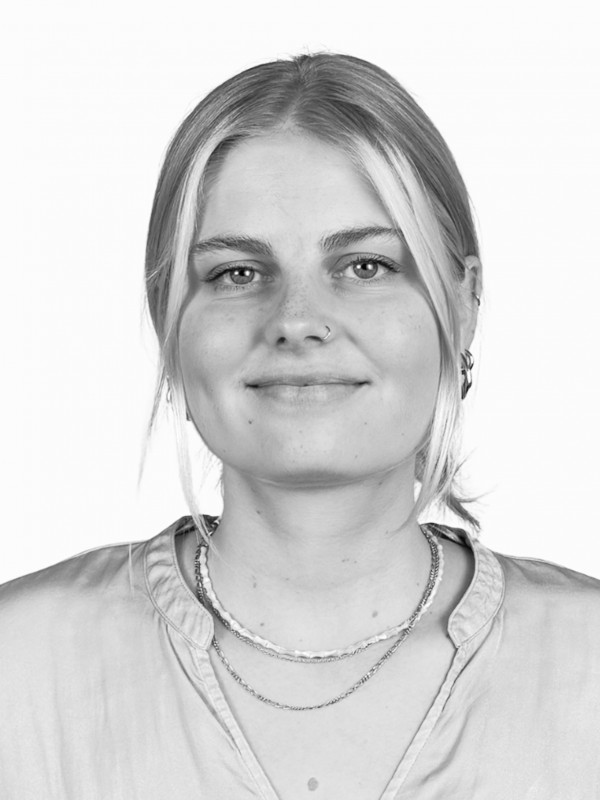
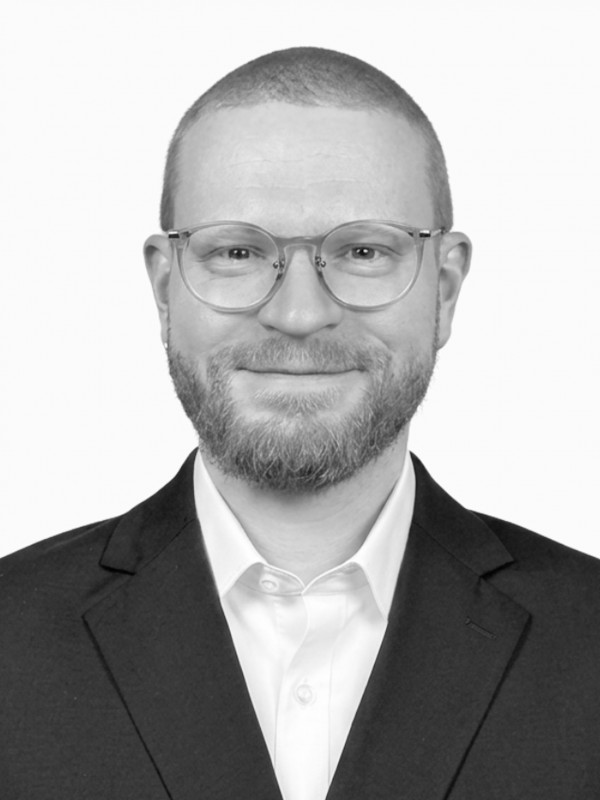
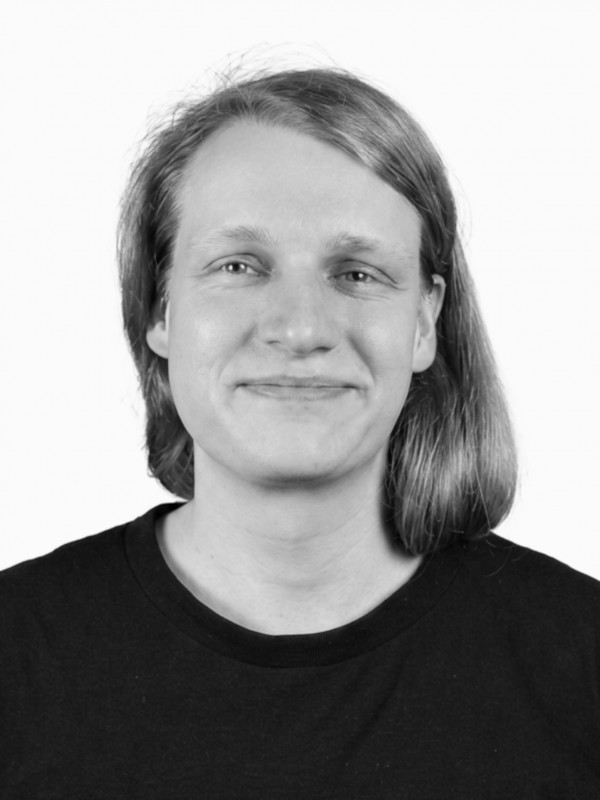
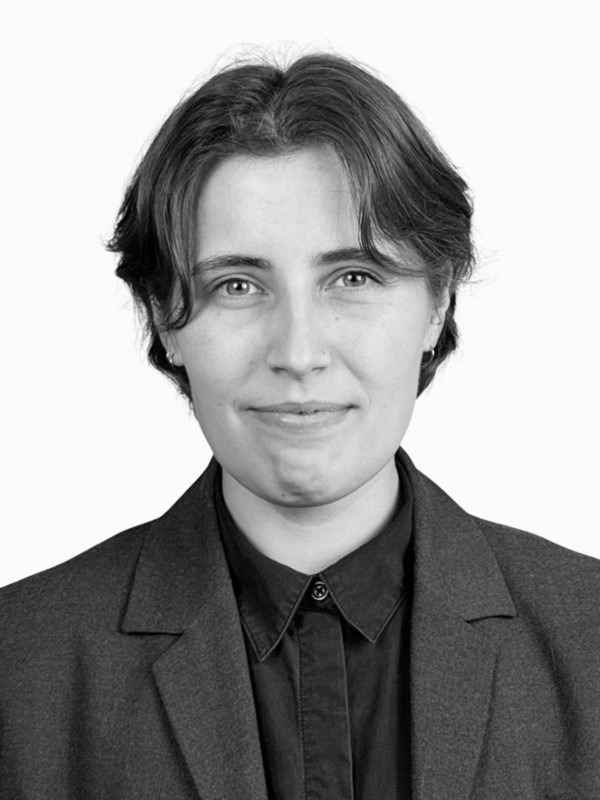
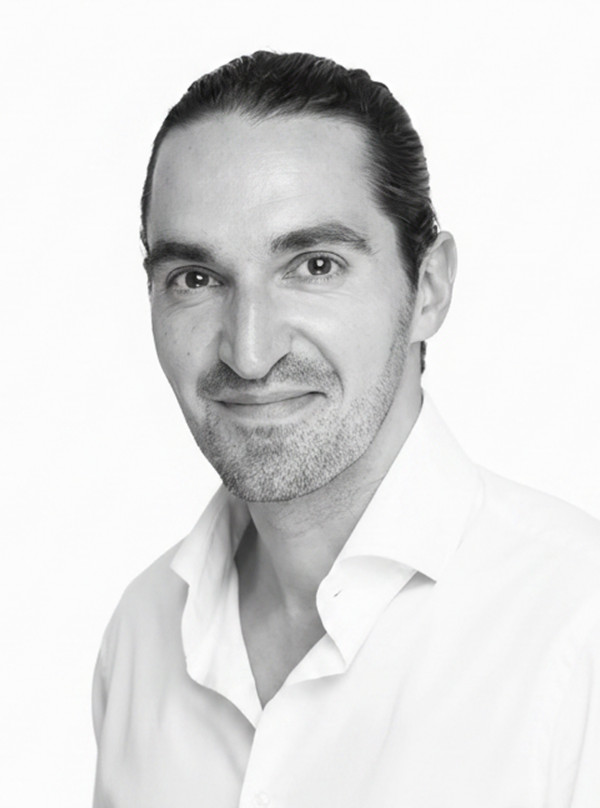
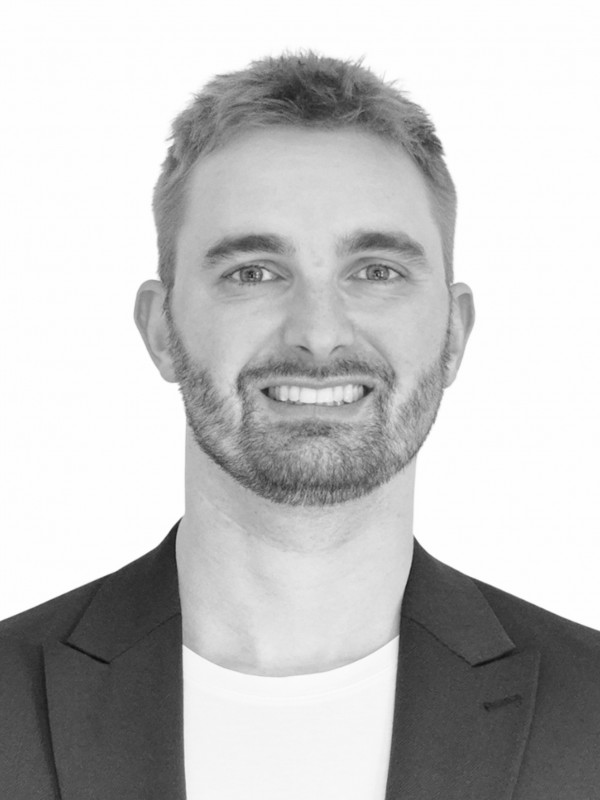
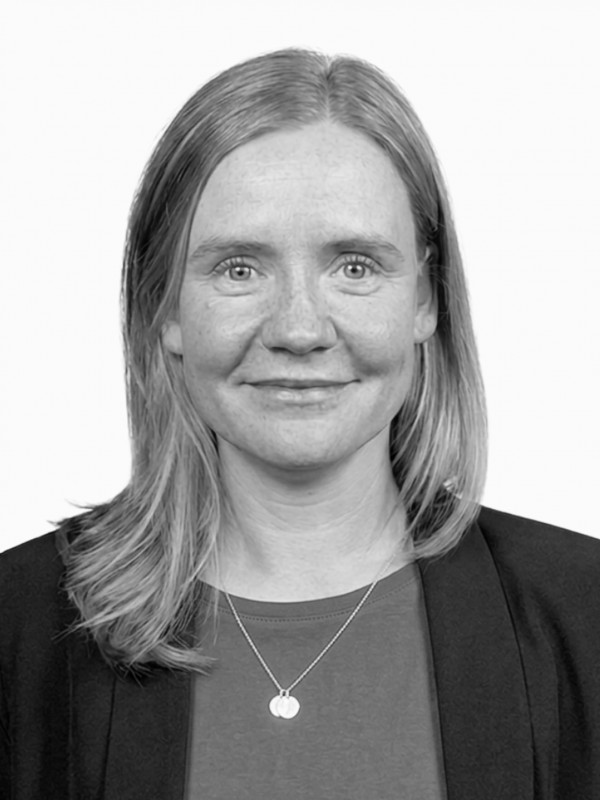
Our team
Unsolicited applications
We are looking for people who are willing to think big, dig deep, and refine economic and fiscal policy proposals until they can withstand the scrutiny of other experts and bring about meaningful change. We see our role as supporting you in doing exactly that.
To that end, we offer you an environment in which you and your ideas can develop into the best version of themselves as well as a platform to carry those ideas into public debate: through German and international daily and weekly newspapers, publications in academic journals and outlets for public administration, podcasts, interviews, or – in the most traditional sense – on television.
If you have a concrete project you would like to realise with us, please send us your CV and a cover letter that, alongside a brief project description (max. 2 pages), answers the following questions: (1) Why is the project important? (2) Why are you the right person to carry it out successfully? (3) Why do you want to realise it with us? Please note that we only accept applications via Personio. Please send your documents to dezernat-zukunft-jobs[at]m.personio.de.
European Macro Policy Network (EMPN)
Founded in 2021 by Dezernat Zukunft, the European Macro Policy Network (EMPN) unites forward-thinking policy and research institutes across Europe. With over €6 million invested across existing and newly incubated think tanks, the EMPN delivers technical expertise and policy proposals where it matters: to Brussels, national capitals, and the heart of the debate.
Since 2025, the EMPN is a registered non-profit association (ASBL) under Belgium law. You can find details on EMPN partners and projects on the EMPN website.
Partners & Donors


Transparency
We are committed to transparency. That is why we have joined the Initiative Transparente Zivilgesellschaft. We are committed to making the following ten pieces of information available to the public and keeping them up to date. We are also listed in the lobbying register of the German Bundestag; our entry can be viewed here.
• The legal entity Dezernat Zukunft e.V. was founded on 26 August 2018 in Halle (Saale).
• Registered office and address: Chausseestraße 111, 10115 Berlin.
• Contact person: Kristina Steinle Dueñas, kristina.steinleduenas@dezernatzukunft.org, 030/439 7385 20
The association is registered at the tax office for corporations I Berlin under tax number 27/663/64938 and is recognised as a non-profit organisation. You can find the current notice of exemption here.
The organs of the association are the members' assembly and the board of directors.
A meeting of the members’ assembly takes place at least once a year and is the highest decision-making body of the association. It elects and discharges the board of directors, decides on the budget of the association and decides on amendments to the articles of association. Further tasks of the general meeting can be found in § 7 of our statutes. The association currently has 13 members.
The board of directors consists of three persons. The board members are elected by the members' assembly for a period of two years. The board of the association consists of the following persons:
• Dr Maximilian Krahé (1st Chairman)
• Janek Steitz (Vice Chairman)
• Dr Maximilian Paleschke (Treasurer)
As a special representative according to § 30 BGB, the board has appointed Philippa Sigl-Glöckner as full-time managing director.
You can find our activity report here.
As of 31 December 2025, we had 13 full-time employees (previous year: 12), 10 part-time employees (previous year: 4) and 5 working students. In addition, 5 interns supported our work temporarily during the year
An overview of our team can be found here.
The 2025 annual financial statements and information on the source of funds can be found in our 2025 transparency report, which you can download here.
The 2025 annual financial statements and information on the use of funds can be found in our 2025 transparency report, which you can download here.
There is no affiliation under corporate law with third parties (such as shareholdings, spin-offs, etc.). The association is independent and not part of any international alliance or similar body.
European Climate Foundation
Laudes Foundation
Open Society Foundations
The Children’s Investment Fund Foundation
There have been no donations from individuals whose annual contribution exceeds ten per cent of our total annual income.
Further information on the source of funds can also be found in our Annual Transparency Report.